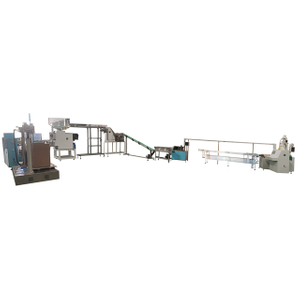
Views: 0 Author: Site Editor Publish Time: 2025-12-11 Origin: Site


The global plastic pollution crisis has prompted urgent action from governments, businesses, and consumers alike. Among the many types of single-use plastic products, plastic straws have become a significant target for environmental reform. Traditional plastic straws are non-biodegradable, contributing to the growing problem of ocean pollution and harming wildlife. As a solution, businesses are increasingly turning to PLA (Polylactic Acid) straws, made from renewable resources such as corn starch or sugarcane. These biodegradable straws offer a more sustainable alternative, and the adoption of PLA Straw Making Machines is at the forefront of this change.
In this article, we will explore the environmental benefits of PLA Straw Making Machines and their role in reducing plastic waste. By using advanced technology to produce high-quality PLA straws, these machines offer businesses the opportunity to contribute to global sustainability goals while meeting growing consumer demand for eco-friendly alternatives.
PLA (Polylactic Acid) is a biodegradable and compostable plastic derived from renewable resources like corn starch or sugarcane. Unlike conventional plastics that are produced from petroleum-based raw materials, PLA is made from plant-based sugars, making it a sustainable and eco-friendly alternative. PLA is not only safe for human consumption but also breaks down quickly in composting environments, significantly reducing the environmental impact compared to traditional plastic.
PLA straws offer numerous environmental and functional benefits, making them an ideal choice for businesses committed to sustainability:
Biodegradability: PLA straws break down naturally in composting environments, avoiding the long-lasting environmental impact of plastic straws, which can persist in landfills for hundreds of years.
Compostability: PLA is compostable and can decompose within a few months when subjected to industrial composting conditions, unlike plastic straws, which require centuries to break down.
Non-toxic: PLA does not contain harmful chemicals such as BPA (Bisphenol A), commonly found in traditional plastic straws.
Renewable: PLA is made from renewable plant-based resources, making it a more sustainable material compared to petroleum-based plastics.
PLA straws are increasingly popular in various industries, including foodservice, hospitality, and retail, as consumers and businesses alike embrace sustainability.
The primary environmental benefit of PLA Straw Making Machines is their ability to produce biodegradable PLA straws efficiently, reducing the need for traditional plastic straws that contribute to long-lasting pollution. By automating the production process, these machines help reduce waste, minimize energy consumption, and enable the large-scale production of eco-friendly straws.
These machines also help businesses meet sustainability goals by making it easy to transition from plastic to biodegradable alternatives. As governments around the world introduce regulations banning plastic straws, PLA Straw Making Machines offer a practical solution for businesses to stay compliant while maintaining their production capacity.
Aspect | PLA Straw Making Machines | Traditional Plastic Straw Production |
Biodegradability | Produces biodegradable PLA straws | Plastic straws are non-biodegradable |
Environmental Impact | Reduces plastic waste and pollution | Contributes significantly to plastic pollution |
Energy Consumption | Energy-efficient production | High energy consumption in plastic production |
Material Sourcing | Made from renewable plant-based resources | Derived from non-renewable petroleum-based materials |
Compliance with Regulations | Helps businesses comply with environmental regulations | Faces increasing regulations and bans on use |
Traditional plastic straws contribute significantly to plastic pollution in oceans, rivers, and landfills. With the growing number of plastic straw bans across the globe, PLA Straw Making Machines help businesses transition to a sustainable solution. PLA straws degrade naturally in a matter of months, unlike plastic straws that remain in the environment for hundreds of years. The adoption of PLA Straw Making Machines therefore plays a vital role in reducing plastic waste, particularly in marine environments where plastic waste is a major threat to wildlife.
One of the key environmental benefits of PLA Straw Making Machines is the ability to produce PLA straws that are both biodegradable and compostable. These straws break down in composting conditions, unlike plastic straws, which persist in the environment for centuries. PLA straws are broken down by natural processes, contributing to a cleaner environment and reducing waste.
Biodegradable: PLA straws break down naturally over time, especially when exposed to microorganisms in the environment.
Compostable: PLA can be composted in industrial composting facilities, where it decomposes into natural materials without leaving harmful residues.
Modern PLA Straw Making Machines are designed to be energy-efficient, reducing the environmental impact of the production process. By utilizing advanced technologies like servo motors and PLC (Programmable Logic Controller) systems, these machines minimize energy consumption while maximizing production efficiency. The use of energy-efficient components in the machine design helps reduce the carbon footprint associated with PLA straw production.
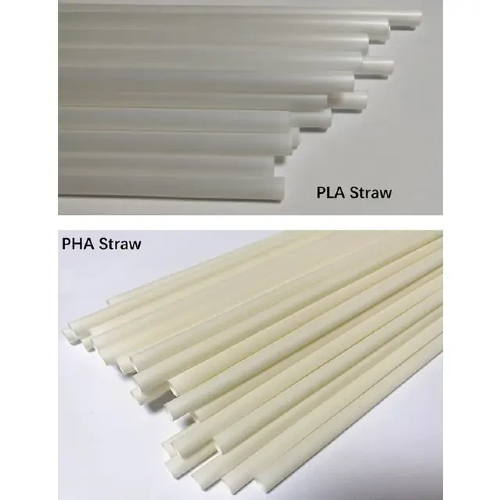
PLA Straw Making Machines are equipped with advanced technology that automates the entire production process, from raw material preparation to final packaging. Here's a breakdown of how they work:
PLA pellets, made from renewable plant-based materials like corn starch or sugarcane, are loaded into the machine’s hopper. These pellets are carefully processed to ensure consistency and quality for optimal extrusion.
The PLA pellets are heated and melted within the machine. The molten PLA is then extruded through a mold to form long, hollow tubes. The extrusion system uses advanced servo motors and PLC controls to ensure that the extrusion process is smooth and consistent.
Once the PLA is extruded into straw shapes, it is cooled using a water cooling system that solidifies the material. The straws are then automatically cut to the desired length using an automated cutting system.
After cutting, the straws are packaged according to customer specifications. Depending on the product’s use, straws can be packed individually, in bulk, or in eco-friendly paper boxes.
When comparing PLA Straw Making Machines to traditional plastic straw production, the environmental impact difference is clear. Traditional plastic straws take hundreds of years to decompose, contributing to the growing issue of plastic pollution in oceans, rivers, and landfills. In contrast, PLA straws break down within months, reducing the long-term environmental damage caused by plastic waste.
Factor | PLA Straw Making Machines | Traditional Plastic Straw Production |
Degradation Time | Months (biodegradable) | Hundreds of years (non-biodegradable) |
Production Material | Renewable plant-based resources (corn, sugarcane) | Petroleum-based resources |
Carbon Footprint | Lower carbon footprint due to energy-efficient production | Higher carbon footprint from fossil fuel use |
Compliance with Regulations | Helps comply with plastic straw bans | Faces increasing regulations and bans |
The production of PLA straws using PLA Straw Making Machines is more energy-efficient compared to plastic straw production, which requires higher energy input due to the use of petroleum-based materials. Modern machines are designed to minimize energy usage without compromising production speed, making them a more sustainable choice for manufacturers.
Many countries have implemented or are planning to implement bans on single-use plastic straws to reduce plastic pollution. By investing in PLA Straw Making Machines, businesses can comply with these regulations and continue to produce straws for their customers. This helps businesses avoid fines and negative publicity associated with plastic straw use.
As consumers increasingly demand sustainable alternatives to plastic, businesses that produce eco-friendly products gain a competitive advantage. PLA Straw Making Machines help businesses meet this demand by providing a cost-effective and efficient way to produce biodegradable straws.
By using renewable plant-based resources and producing compostable products, PLA Straw Making Machines contribute to a circular economy. PLA straws can be composted and returned to the earth, helping to close the loop on production and waste management.
PLA Straw Making Machines are a key part of the global shift towards sustainability. By utilizing PLA, a biodegradable and compostable material, these machines help reduce plastic waste and minimize the environmental impact of single-use straws. With their energy-efficient design and advanced automation features, PLA Straw Making Machines enable businesses to produce high-quality, eco-friendly products that meet the growing demand for sustainable alternatives.
Switching to PLA Straw Making Machines not only supports sustainability goals but also offers long-term business advantages, such as cost savings, improved production efficiency, and enhanced brand reputation. At Hangzhou Fuyang Sunrise Machinery, we specialize in providing cutting-edge PLA Straw Making Machines designed to optimize your production process while promoting environmental responsibility.
Our machines are engineered for precision, flexibility, and scalability, helping your business stay competitive in a rapidly evolving market. If you’re ready to take your business to the next level by adopting sustainable practices, we invite you to contact us today. Let us help you make the switch to eco-friendly production with reliable, high-performance PLA straw making technology.
PLA straws are made from Polylactic Acid (PLA), a biodegradable plastic derived from renewable plant-based resources like corn starch or sugarcane.
PLA Straw Making Machines produce biodegradable PLA straws that decompose in a matter of months, unlike plastic straws, which take hundreds of years to break down.
Yes, PLA straws are biodegradable and compostable, breaking down in composting environments within a few months.
PLA Straw Making Machines are designed to be energy-efficient, using less energy compared to the production of traditional plastic straws, thus reducing the overall carbon footprint.
Yes, many PLA Straw Making Machines are adaptable to process other biodegradable plastics such as PBAT and PHA, offering flexibility for different sustainable production needs.
PLA Straw Making Machines help businesses meet global sustainability goals by producing biodegradable straws that align with regulations banning plastic straws, reducing plastic waste, and meeting consumer demand for eco-friendly products.