
Views: 0 Author: Site Editor Publish Time: 2026-05-20 Origin: Site


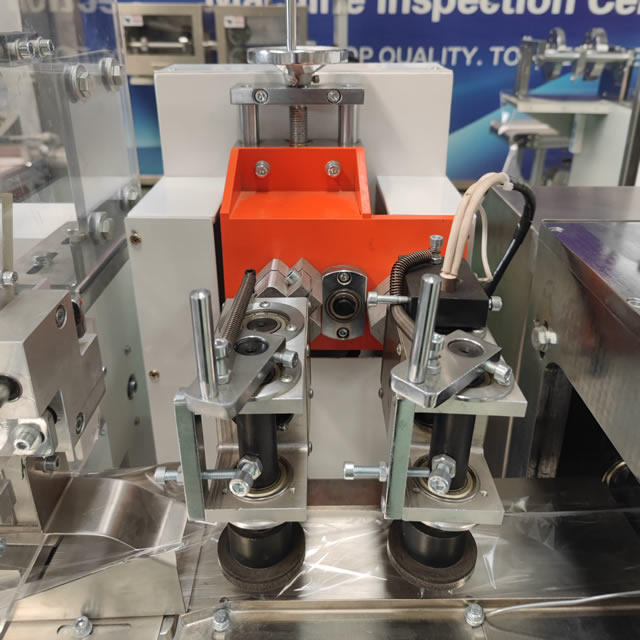
For modern manufacturers, scaling production extends far beyond simply increasing daily output volume. You must actively mitigate rising labor costs. You must also satisfy stringent food hygiene standards. At the same time, you must rapidly adapt to new sustainable materials like PLA or pure paper. Relying on outdated or semi-automatic wrapping systems introduces costly bottlenecks. These older systems also increase unacceptable scrap rates. Transitioning to a fully automated straw packing machine bridges the gap between commercial demand and operational reality. This article provides production managers and procurement teams with a clear evaluation framework. We will explore the tangible operational benefits of upgrading your machinery. We will also detail technical hardware requirements and practical implementation realities. You will learn how shifting from manual oversight to automated precision directly influences your capital expenditure versus long-term operational savings.
Labor & Yield ROI: Upgrading to advanced automated systems can reduce labor dependencies by 30-50% while minimizing material waste through precise photoelectric tracking.
Throughput Scalability: Modern single-straw systems reliably achieve 300–800 pieces per minute, while multi-pack systems handle 30–100 bags per minute.
Quality Assurance: Integrated vision systems and PLC controls actively reject unsealed packs and simplify material changeovers.
Future-Proofing: Evaluating equipment based on material agnosticism (handling both fragile paper and rigid plastic) is critical for long-term viability.
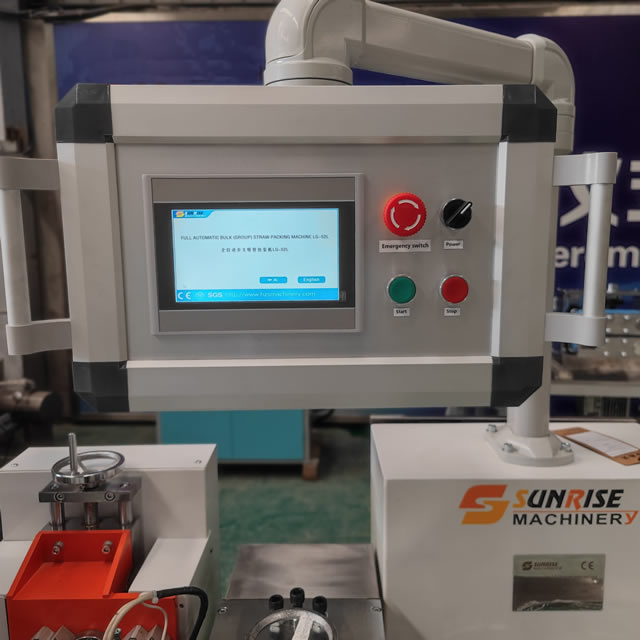
Manual and semi-automatic packing processes present significant operational risks. Human intervention naturally slows down production speeds. It also introduces counting errors and alignment mistakes. High dependency on human labor heavily increases your cost per unit. Operators require breaks, shift changes, and continuous management. Automated machinery eliminates these specific bottlenecks completely. Machines feed, align, and wrap products without pausing. You immediately reduce operational risk and establish a highly predictable production floor.
Food safety regulations grow stricter every year. Automated wrapping removes manual touchpoints from your production line entirely. This guarantees maximum hygiene. Modern wrappers create airtight seals around every single piece. Airtight sealing prevents oxidation and contamination during transport. This factor remains crucial for meeting food-grade compliance. It also extends the shelf life of the final product significantly. Distributors actively demand these hygiene standards before placing bulk orders.
Global regulations force a massive shift away from single-use plastics. Manufacturers now rely heavily on paper and PLA alternatives. However, legacy machines often crush or bend fragile paper straws. Old mechanical pull systems lack delicate handling capabilities. Modern automated equipment solves this problem beautifully. Engineers design new machines using precise tension control systems. These systems handle brittle and eco-friendly materials gently. They pull wrapping film securely without damaging the core product inside.
Raw speed means nothing without continuous stability. Industry baselines dictate that reliable single-straw machines operate at 300 to 800 pieces per minute. However, sheer speed often causes micro-stoppages on older lines. Modern servo-driven systems prioritize stable speeds over reckless velocity. They prevent jamming and film snapping. Stable speed ultimately delivers a higher daily yield than erratic, high-speed sprinting.
Excessive film usage destroys profit margins over time. Automated equipment features highly precise quantification mechanisms. Sensor-driven film cutting mechanisms track color marks accurately. They ensure cuts happen exactly where needed. This completely eliminates off-center cuts and half-wrapped products. Facilities upgrading their equipment regularly report cutting material waste by up to 30%. You pay for less raw film while yielding more sellable goods.
Secondary processing steps waste valuable production time. Built-in flexographic printing changes this dynamic. Many automatic systems support single or dual-color inline printing. This feature allows manufacturers to add brand logos directly onto the wrapper. You can also print batch numbers or compliance marks on the fly. You skip sending wrapped products to a separate labeling station entirely. This customization turns basic packaging into an active branding tool.
Factory floor space always commands a premium price. Modern servo-driven machines utilize space highly efficiently. They consolidate feeding, wrapping, and cutting into one compact footprint. Furthermore, they optimize power draw intelligently. A standard automated unit typically consumes around 2 Kw of power. You achieve massive daily output without triggering severe electrical demand charges.
Performance Metric | Legacy/Semi-Auto Systems | Modern Automatic Systems |
|---|---|---|
Throughput Speed | 100–200 pcs/min (fluctuates) | 300–800 pcs/min (stable) |
Material Waste | High (manual alignment errors) | Low (up to 30% reduction) |
Labor Requirement | 3–5 operators per line | 1 operator for multiple lines |
Power Draw | Mechanically inefficient | Highly optimized (~2 Kw) |
Selecting the right machinery architecture requires mapping your specific end-product to the correct technology. Use this breakdown to navigate your options effectively.
Standard 3-Side Seal: This represents the most common configuration. It offers high flexibility for general food service scenarios. It easily handles fast-food and restaurant chain demands.
I-Shaped (4-Side Seal): This machine creates a robust seal on all four sides. It utilizes BOPP film for superior airtightness. It offers incredible moisture protection and drastically extends product shelf life.
Beverage carton integration requires highly specialized equipment. U-shaped wrappers bend the product safely before wrapping it. These machines rely on precise hot-melt adhesive tracking. They ensure the wrapped product sticks firmly to juice boxes and milk cartons. They operate seamlessly alongside high-speed beverage filling lines.
Some clients need bulk distribution for parties, catering, or schools. Multiple packing machines fulfill this exact requirement. They efficiently pack anywhere from 5 to 250 pieces per single bag. They feature advanced linkage options. This allows operators to bundle varying quantities quickly without rebuilding the mechanical feed.
Your production line should not end at individual wrapping. Hand-packing individually wrapped units into boxes wastes significant time. We highly recommend introducing a straw paper box packing machine as your logical next step. This technology handles end-of-line automation beautifully. It takes your individually wrapped inventory and automatically boxes it. You instantly prepare your goods for retail or wholesale distribution. This integration removes the final labor bottleneck from your facility floor.
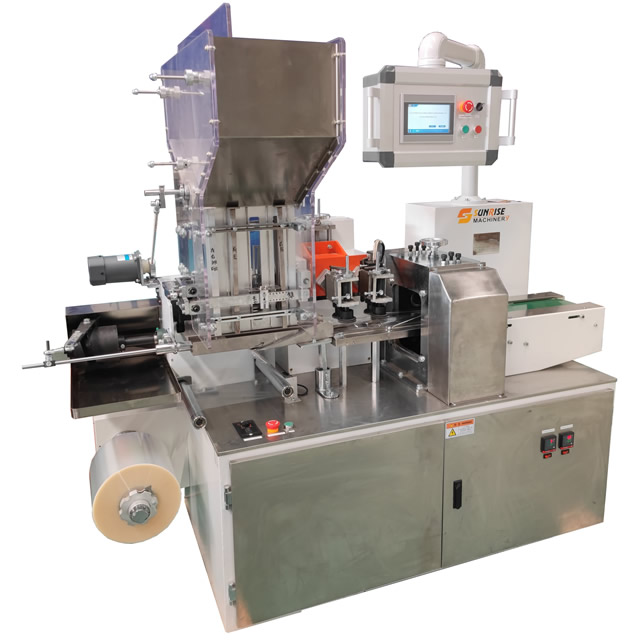
Avoid machines relying solely on older mechanical gears. You want Programmable Logic Controller (PLC) and servo motor architecture. PLCs feature vital recipe memory functions. This technology drastically reduces your downtime during changeovers. You can switch from a 6mm to an 8mm diameter in minutes. You can adjust from a 6-inch to a 12-inch length via software. The machine remembers the exact tension and feed rate for every specific product.
Defective packaging destroys brand trust instantly. Integrated vision systems solve this issue proactively. Advanced detection sensors actively scan the line. They automatically identify empty packs or incomplete seals. The system rejects these defective items immediately. It removes them before they ever reach your boxing stage. You guarantee 100% quality assurance to your buyers.
Always verify a machine's mold flexibility before purchasing. Consumer trends change rapidly. For example, oversized Boba varieties (up to 10mm or larger) dominate the modern beverage market. Handling these bulky items requires specific mold accommodations. The machine must also possess wider film unwinding capabilities. Buying rigidly built equipment limits your future market adaptability heavily.
Automation requires proper scheduling and realistic timelines. Equipment is rarely "plug and play" off a warehouse shelf. Set realistic expectations for your transition. Manufacturers typically require standard 15-30 day manufacturing and shipping lead times. Once the equipment arrives, you must schedule onsite testing. Proper commissioning ensures tension controls sync perfectly with your specific factory environment.
Every automated machine demands strict preventative maintenance. Neglect leads to catastrophic downtime. You must establish daily and weekly routines.
Nozzle Cleaning: You must regularly clean water-based glue nozzles to prevent hardened blockages.
Sensor Inspection: Operators must conduct daily inspections of all photoelectric sensors. Dust severely impairs tracking accuracy.
Lubrication: You must routinely lubricate all transmission components. This simple action prevents premature mechanical wear entirely.
Your workforce must evolve alongside your machinery. Transitioning from mechanical to servo-driven equipment requires comprehensive upskilling. Operators can no longer just hit a green button and walk away. They must learn to manage software user interfaces effectively. They need training to troubleshoot tension control issues via the PLC screen. Investing in vendor-provided training guarantees your machinery runs at peak efficiency.
Never purchase machinery blindly based on a brochure. We strongly recommend requiring vendors to run sample tests first. Send them your exact packaging materials. Ask them to test water-based coated paper versus pure kraft paper. Evaluate the video evidence of their machine handling your specific consumables. If the machine tears your fragile materials during the test run, look elsewhere.
Machinery breaks down eventually. Your vendor's response time dictates your financial loss during outages. Evaluate vendors based on their remote support capabilities. Can they provide remote PLC diagnostics to fix software bugs? Check their spare parts availability. They must guarantee rapid shipping of consumable wear parts. You need reliable access to cutting blades and heating blocks year-round.
Piecing together a production line from five different vendors creates integration nightmares. Suggest evaluating whether a vendor can supply a complete turnkey line. Ideally, they should offer the extrusion machinery, the individual wrapping unit, and the end-of-line secondary boxing equipment. Implementing a seamless line ensures absolute single-source accountability. If a communication error occurs between the wrapper and the boxer, one vendor fixes it.
Upgrading to modern automated packaging equipment transforms your manufacturing capabilities fundamentally. You replace unpredictable manual labor with stable, high-speed output. By leveraging servo-driven architectures and advanced vision systems, you drastically cut material waste. You also adapt effortlessly to the industry's shift toward fragile, eco-friendly materials. Moving forward, you must look beyond basic speed metrics. We encourage you to audit your current scrap rates and labor expenses thoroughly. Define a realistic capital expenditure budget based on those findings. Reach out to OEM manufacturers with your custom specifications to secure equipment that delivers maximum long-term value.
A: Most manufacturers achieve a full return on investment within 12 to 18 months. This calculation depends heavily on your shift-hours, local labor rates, and scrap reduction. Running the machine across multiple shifts accelerates the ROI significantly by cutting human labor costs quickly.
A: Yes, modern machines can handle both materials. However, operators must recalibrate the tension and cutting systems during changeovers. Paper materials are highly fragile compared to rigid plastic. Proper PLC recipe management makes switching between these materials seamless and safe.
A: Changeovers take merely minutes on modern equipment. Servo-driven PLC machines utilize pre-programmed memory functions. The software automatically adjusts feed lengths and cutting intervals. This eliminates the hours of mechanical wrenching required on older, outdated machinery.
A: Recyclability entirely depends on your chosen consumable material. Pure kraft paper sealed with water-based glue is fully compostable and recyclable. Conversely, paper wrappers featuring a plastic inner lining are not easily recyclable. The machine easily accommodates both material types based on your needs.


