
Views: 0 Author: Site Editor Publish Time: 2026-05-25 Origin: Site


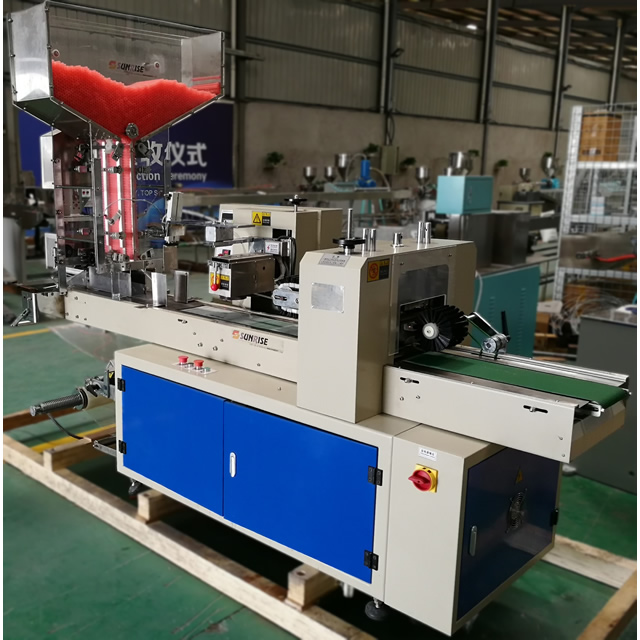
Packaging line investments carry exceptionally high stakes. Bottlenecks here dictate your overall plant throughput. Excessive film waste quickly destroys your profit margins. Making the right decision involves more than just buying equipment. You must match mechanical capabilities directly to your operational KPIs. These crucial capabilities include speed, changeover times, and material compatibility. An incorrect choice severely limits your production ceiling.
We aim to establish an objective, evidence-based approach to this process. Our primary goal involves cutting through typical vendor marketing claims. You need a clear path to evaluate equipment scalability accurately. We will help you identify the exact technical fit for your specific materials. You will learn to assess realistic production targets. You will also uncover long-term operational efficiency metrics. This guide provides actionable steps for evaluating automation levels. By the end, you will understand how to choose the ideal straw packing machine for your facility.
Match automation to actual volume: Avoid over-investing; align machine tiers (semi-automatic to multi-lane servo) with realistic hourly targets (1,000 up to 100,000+ pieces/hour).
Material dictates technology: PLA and paper straws require specialized climate control and distinct sealing mechanisms compared to standard plastics.
Factor in total costs, not just CAPEX: Modern servo-driven systems carry higher upfront costs but reduce packaging film waste by 10–15% compared to legacy pneumatic systems.
Prioritize compliance: Validate FDA standards for food contact parts and CE/UL certifications for operational safety.
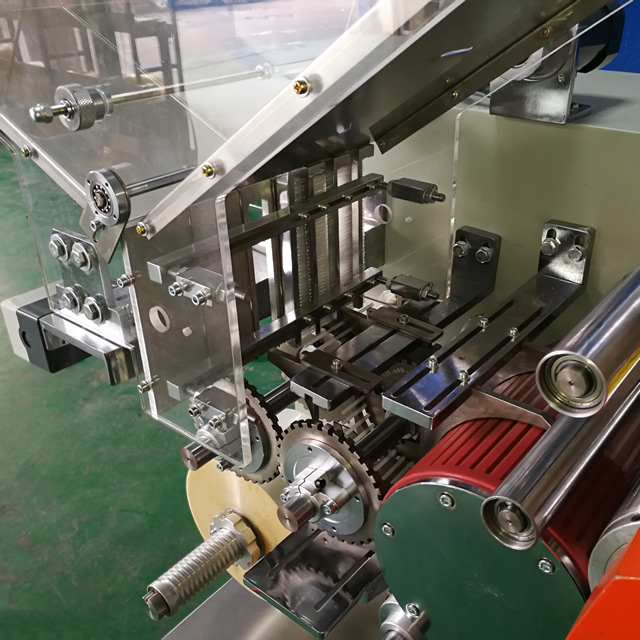
We must establish clear production baselines first. Define your current operational bottlenecks accurately. Are you scaling up from manual packing? Manual operations usually yield 100 to 500 pieces per hour. Perhaps you need to upgrade an older legacy system instead. Knowing your starting point prevents costly over-investments.
You must choose between semi-automatic and fully automatic machine architectures. Each serves a distinct business stage. Semi-automatic machines operate as excellent entry-level solutions. They process between 1,000 and 5,000 pieces per hour. Startups testing new product lines often choose them. They successfully lower your initial capital expenditure. However, they demand much higher manual labor input. Operators must manually load straw batches repeatedly.
Fully automatic systems target high-volume, continuous operations. They process 20,000 to over 100,000 pieces per hour. Top-tier production lines reach staggering speeds. They can pack 1,000 to 1,200 pieces every single minute. Standardized runs benefit most from these extreme speeds. Operators simply monitor the feeding hoppers and film rolls.
Automation Tier | Hourly Output Range | Primary Application | Labor Requirement |
|---|---|---|---|
Manual Labor | 100 – 500 pcs/hr | Prototyping / Craft | Very High |
Semi-Automatic | 1,000 – 5,000 pcs/hr | Startups / Low Volume | Medium |
Standard Automatic | 20,000 – 60,000 pcs/hr | Regional Manufacturers | Low |
High-Speed Automatic | 100,000+ pcs/hr | Global Distribution | Minimal (Monitoring) |
Evaluate machines using modern servo-controlled mechanics. Traditional pneumatic systems fall short in modern factories. Air compressors consume massive amounts of electricity. Pneumatic cylinders also wear out faster over time. Servo motors provide superior precision and control. They allow for seamless material dimension changeovers. You can reduce a 90-minute mechanical changeover to under five minutes. Operators simply select a new digital recipe on the touchscreen. Servos also significantly lower your ongoing facility energy costs.
Your chosen packaging format dictates the machine's internal design. Single-stick wrapping remains the global industry standard for hygiene. Fast-food chains and cafes demand individually wrapped products. You must evaluate the machine's film location system carefully. This optical system ensures wrapping accuracy at high speeds. It prevents costly misalignment issues. Photoelectric sensors read the film registration marks continuously. They adjust the cutting blades in real-time.
Multi-stick packaging groups 50 to 200 straws together inside one bag. Retail supermarkets and wholesale clubs require this format. Standard multi-wrappers demand precision automatic counting mechanisms. Programmable Logic Controllers (PLCs) handle this complex task. The PLC processes data from high-speed optical sensors. This electronic verification prevents frustrating miscounts entirely. Customers reject shipments containing incorrect product quantities.
Secondary packaging integration matters greatly for scaling businesses. You might supply large retail or institutional buyers. If so, evaluate automated downstream cartoning options carefully. You can integrate a straw paper box packing machine at the end of your line. This intelligent integration streamlines the entire boxing process. It eliminates the need for manual carton erecting and filling.
Sealing technology directly affects your product shelf life. Compare impulse sealing against constant-heat sealing systems. Impulse sealing uses brief bursts of electrical current. It costs less upfront and consumes less energy. However, it offers lower durability over time. Constant-heat sealing utilizes continuously heated metallic jaws. This method provides much stronger moisture barriers. These robust barriers remain critical for long-distance ocean shipping. We highly recommend constant-heat systems for paper-based packaging films.
The global industry is rapidly shifting away from standard plastics. Brands now favor Polyactic Acid (PLA) and paper alternatives. This massive shift introduces severe material jamming risks. Unplanned downtime plagues many modern facilities today. Running paper straws on standard plastic machines causes massive issues. Standard machines are calibrated specifically for PP or PE plastics. Paper and biodegradable materials behave very differently under stress.
Paper and biodegradable materials react strongly to environmental conditions. They absorb ambient humidity rapidly. Temperature fluctuations also cause extreme material warping. Warped straws jam inside the mechanical feeding hoppers. You should shortlist equipment featuring high adaptability. Look for enclosed climate-management modules. These advanced modules regulate internal temperature and humidity levels. They prevent material warping during the feeding process entirely. Consistent environmental control guarantees smooth continuous production.
Gentle handling mechanisms are equally vital for sustainable materials. Multi-layer paper straws crush easily under high pressure. PLA becomes highly brittle in cooler environments. Multi-lane feeding systems reduce sudden material friction. They lower physical stress on fragile products significantly. This gentle mechanical approach maintains product structural integrity. It protects the straws before final sealing occurs. Standard single-lane hoppers often crush delicate paper products aggressively.
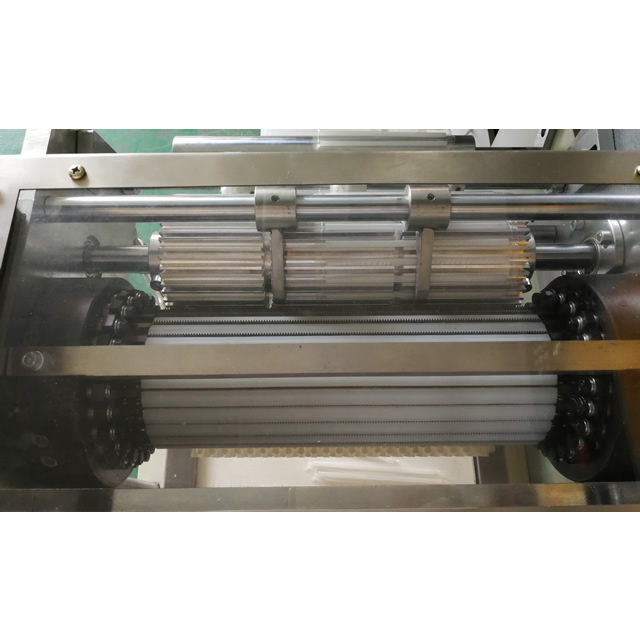
Let us examine current market pricing realities objectively. Understanding capital expenditure benchmarks helps you budget correctly. You must align your financial expectations with technical realities. Cheap equipment often results in expensive daily breakdowns.
Below is a simplified chart detailing current market price tiers. We categorize them by typical capital expenditure (CAPEX) ranges.
Price Tier | Estimated Cost | System Characteristics |
|---|---|---|
Entry-Level | $1,500 – $5,000 | Basic semi-automatic units. Pneumatic driven. Manual adjustments. |
Mid-Range | $8,000 – $20,000 | Standard automatic machines. Ideal for regional manufacturers. Basic PLC. |
Premium Tier | $25,000 – $60,000+ | Multi-lane servo systems. Advanced QA vision integration. Climate control. |
Do not rely solely on the initial sticker price. Smart managers calculate the true price per package. You must evaluate ongoing material consumption strictly.
Determine Film Roll Length: Measure the total printable meters on your standard roll.
Calculate Cut-Off Length: Measure the exact film length required per individual package.
Divide for Maximum Yield: Divide roll length by cut-off length to find maximum theoretical packages.
Deduct Anticipated Scrap: Subtract your average daily rework and scrap rate percentages.
Divide Material Cost: Divide the roll price by the actual usable package yield.
Non-pneumatic machines offer substantial long-term material savings. They recover their initial higher costs rapidly. You can expect a 10 to 15 percent reduction in film waste. Servo motors pull the film with absolute mathematical precision. They eliminate the stretching and snapping common in pneumatic systems. Equipment maintenance frequency also drops significantly. You replace fewer worn seals and broken air valves.
Your machine is only as reliable as its manufacturer. Vendor vetting requires strict due diligence. You must verify their safety standards and after-sales support capabilities. A cheap machine becomes useless without spare parts.
Regulatory compliance remains a non-negotiable purchasing criterion. Require solid proof of CE certifications for European markets. The European Machinery Directive ensures basic operator safety. Demand UL or ETL safety certifications for US facilities. You must also scrutinize the machine construction materials. Ensure all direct contact components use premium stainless steel. SS304 and SS316 steel grades meet strict FDA food-grade requirements. Painted carbon steel rusts quickly in humid production environments.
Quality control innovations protect your brand reputation effectively. Look for machines compatible with Advanced Vision Systems. These high-speed industrial cameras monitor the production line continuously. They identify defective seals instantly. They spot misaligned cuts in real-time. The system automatically ejects flawed packages without stopping the line. This incredible technology prevents massive batch rejections by your clients. Manual human inspection cannot keep up with high-speed lines.
After-sales support dictates long-term machine reliability directly. Prioritize vendors offering robust remote troubleshooting capabilities. Modern Internet of Things (IoT) integration makes remote diagnostics possible. Factory engineers can log into your PLC securely from overseas. They can identify software bugs and sensor faults immediately. Demand clear English documentation for all internal components. Insist on a guaranteed 48-hour spare part dispatch agreement. Prolonged downtime destroys your production schedules and client trust.
Selecting the right packaging equipment requires methodical evaluation. You must define your core material requirements first. Calculate your required daily production volume accurately. Select a machine tier carefully based on realistic targets. Balance your upfront costs against long-term operational efficiency. Servo-driven automation usually provides the best overall value.
We recommend taking one specific actionable step next. Request a documented Factory Acceptance Test (FAT). Ask your shortlisted vendors to perform this crucial test. Supply them your specific straw materials and wrapping film. Ensure they run your exact product specifications at maximum speed.
Verify the final sealing integrity underwater.
Check the dimensional accuracy of the cut film.
Test the emergency stop and safety interlock systems.
Measure the exact changeover time between two different product sizes.
This strict testing process ensures the equipment performs flawlessly upon delivery. It protects your capital investment fully.
A: It depends heavily on the machine's drive system. Older pneumatic machines require manual wrench adjustments and part swaps. These mechanical changes often take 60 to 90 minutes. Modern servo-driven machines store specific product recipes digitally. Operators simply select the new size on the touchscreen. The servo motors adjust the cutting and feeding mechanisms automatically. This digital changeover typically takes under five minutes.
A: Usually, no. Standard machines are calibrated for smooth, flexible plastics like PP or PE. Paper straws are highly sensitive to friction, humidity, and pressure. Running paper on standard equipment causes severe material jamming and crushing. You need a machine featuring upgraded multi-lane feeding mechanics. It must also include enclosed climate control modules. These modules prevent paper warping by stabilizing ambient humidity.
A: Pulse heating sends brief electrical bursts to a sealing wire. It costs less upfront and allows for faster machine speeds. However, it often produces weaker seals. Constant heating uses solid metal jaws maintained at a specific temperature. This method moves slightly slower. Yet, it provides vastly superior seal integrity and strong moisture protection. We recommend constant heating for international shipping requirements.
A: You must calculate several distinct operational variables. First, quantify your direct labor reduction. Compare the wages of ten manual packers against one machine operator. Second, measure the revenue gain from increased packages per minute (PPM). Third, factor in reduced film waste percentages achieved by precision servo motors. Finally, calculate the money saved through minimized unplanned downtime and lower maintenance frequency.


