
Views: 0 Author: Site Editor Publish Time: 2026-05-22 Origin: Site


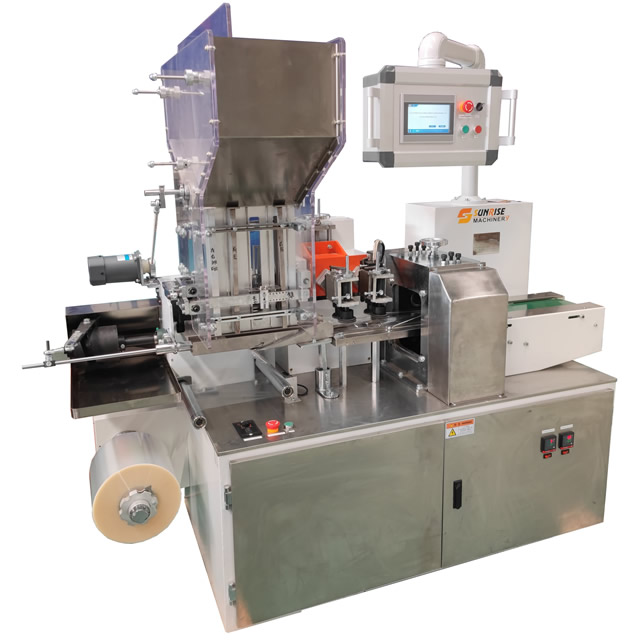
Packaging often creates a massive bottleneck in straw manufacturing. You might run a highly efficient extrusion process. However, if your packing line lags, you lose those throughput gains immediately. Deciding between single-wrap and multi-wrap systems directly dictates your target market. Single-wrap formats cater to retail brands and quick-service restaurants prioritizing strict hygiene. In contrast, bulk distribution relies on multi-wrap systems to move high volumes efficiently.
Selecting the right straw packing machine demands an objective, engineering-focused evaluation. Plant managers and B2B buyers must weigh throughput metrics, material compatibility, and expected return on investment. This article breaks down the technical differences between individual and group wrapping architectures. You will learn how to align equipment capabilities with dominant revenue streams and ensure seamless downstream integration.
Application Dictates Architecture: Individual packing machines excel in hygiene and branding (e.g., Tetra-pak U-type, I-type), while group packing machines prioritize high-volume bulk output (50–200 straws/bag).
Automation Drives ROI: Advanced machines utilize PLC, servo controls, and multi-lane feeding to reduce changeover times from hours to minutes, cutting labor costs significantly.
Material Sensitivity is Critical: Processing modern materials like PLA or paper requires machines equipped with specific climate controls and tension adjustments to prevent warping and defects.
End-to-End Integration: Group packing setups often require seamless linkage with downstream equipment like a straw paper box packing machine for retail-ready distribution.
Choosing your packaging equipment requires a deep look at your primary revenue streams. A mismatch here creates friction across your entire supply chain. Plant managers must analyze specific end-user demands before committing to a system.
Individual wrapping serves very distinct sectors. Target markets include Quick Service Restaurants (QSRs), retail beverage brands, and dairy producers. Dairy packaging often requires tight integration with Tetra-pak systems using U-type straws.
Key value drivers for this model include:
Uncompromising Hygiene: Consumers demand tamper-evident seals. Machines outputting 3-side or 4-side I-type seals prevent contamination during transit and handling.
Brand Visibility: Single wrappers provide a blank canvas. Modern machines offer multi-language printing and precise logo positioning right on the film or paper.
Sanitation Compliance: Single-use regulations often mandate individually wrapped items. Compliance keeps your product legally viable in strict regional markets.
Group packaging targets a completely different buyer profile. Wholesale distributors, bulk party suppliers, and institutional buyers rely on this model. They need volume rather than individual branding.
Key value drivers for bulk packaging include:
Maximum Throughput: Facilities must push millions of units out the door weekly. Group wrappers clear extrusion bottlenecks quickly.
Accurate Batch Counting: Distributors require exact counts per bag. Bags typically hold between 50 and 200 straws. Missing counts damage supplier relationships.
Minimized Material Waste: Grouping straws reduces the overall packaging material used per unit. This lowers raw material overhead significantly.
This choice goes beyond simple machine preference. You must align your equipment capability directly with your facility's dominant revenue stream. If 80% of your orders come from dairy brands, an I-type single wrapper generates the most revenue. If you supply wholesale event distributors, a high-speed group packer keeps you profitable.
Understanding the hardware beneath the hood prevents costly procurement mistakes. Individual and group machines use vastly different engineering approaches to achieve their production goals.
Speed defines operational capacity. However, speed metrics look very different depending on the machine type.
Individual machines benchmark at incredible velocities. Top-tier systems reach speeds of 500 to 700 pieces per minute. They achieve this using continuous rotary sealing mechanisms. The continuous motion prevents the start-stop delays found in older mechanical setups.
Group machines measure output differently. We benchmark them at 8 to 28 bags per minute. The exact speed fluctuates based on bag size and count. A 50-count bag processes much faster than a 200-count bag. Both rates represent peak efficiency for their respective formats.
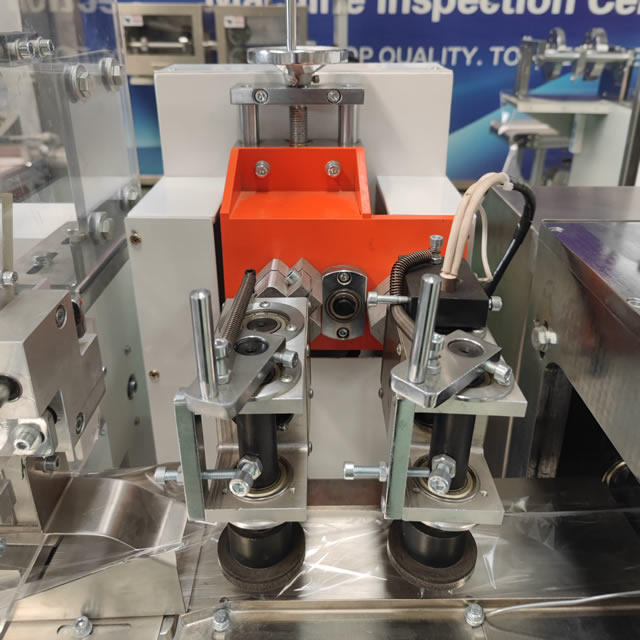
Hardware dictates operational limits. Individual packing setups rely heavily on precise film registration. They use advanced positioning functions to match the printed logo exactly to the sealing edge. A fraction of a millimeter off ruins the brand presentation.
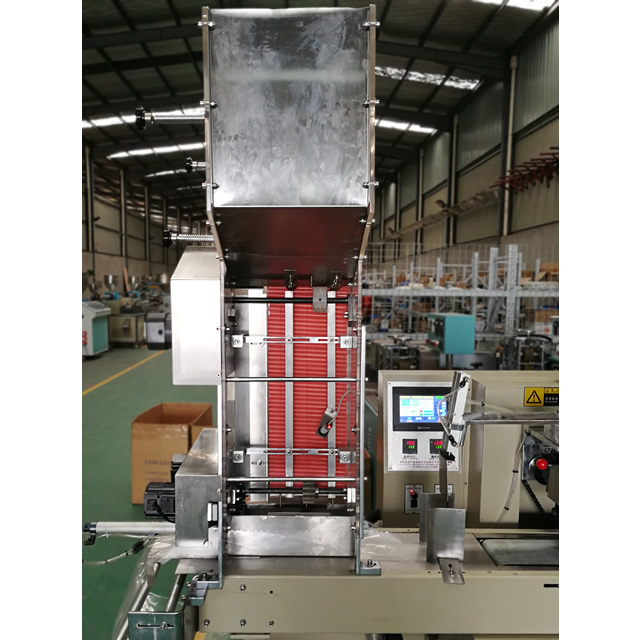
Group setups prioritize counting and bulk handling. They depend on intelligent optical sensors or weight-based counting systems. These sensors verify exact quantities before the bag seals. Furthermore, they utilize double frequency converters. These converters allow operators to adjust bag length and packing speed automatically without manual gear changes.
High speeds mean defects happen quickly. Integrated Vision Systems serve as your first line of defense. These visual defect rejection modules spot misalignments instantly. Cameras identify color flaws or bent straws. The system then automatically kicks the defective unit off the line before it enters the sealing jaw. This automation protects your brand reputation and prevents jammed machinery.
Architecture Comparison Chart
Feature Category | Individual Packing Machine | Group Packing Machine |
|---|---|---|
Throughput Speed | 500 – 700 pieces per minute | 8 – 28 bags per minute |
Core Technology | Rotary sealing, film registration | Optical/weight sensors, dual frequency |
Batch Output | 1 straw per wrap | 50 – 200 straws per bag |
Primary Defect Risk | Logo misalignment, poor seal | Inaccurate counting, bag tearing |
Modern packaging materials present severe operational challenges. You can no longer rely on standard equipment to handle eco-friendly substrates. Machines must adapt to the physical realities of paper and bioplastics.
The industry is transitioning away from traditional BOPP films. Consumer demand now favors eco-friendly paper packaging. This shift causes massive headaches for plant managers using legacy equipment.
Paper lacks the elasticity of BOPP film. It tears easily under sudden stress. Modern machines require highly calibrated tension control systems. These systems maintain gentle, consistent pull rates during high-speed continuous runs. If tension spikes even slightly, the paper web snaps. This causes immediate line downtime and wasted material.
Polylactic Acid (PLA) offers a biodegradable alternative to plastic. However, PLA reacts aggressively to temperature and humidity. Biodegradable straws soften, warp, or stick together under standard plant conditions.
High-end machines must integrate strict climate control. Engineers install specialized heating and cooling tunnels directly over the feeding and sealing stages. These tunnels stabilize the ambient environment. Controlling the climate prevents material deformation. If you skip this feature, your PLA straws will melt against the sealing jaws, halting production entirely.
Packaging does not end at the primary wrapper. Bulk output must flow seamlessly into secondary packaging stages. Hand-packing sealed bags into cartons destroys your labor budget. You must link your primary line to compatible downstream equipment.
Integrating a straw paper box packing machine proves essential here. This secondary unit takes the bulk bags or individual wraps and auto-loads them into retail-ready boxed SKUs. A synchronized setup ensures your boxing machine matches your wrapping output perfectly. This prevents your primary packing line from bottlenecking due to slow downstream processes.
Upgrading packaging hardware requires massive capital. Therefore, you must justify the expense through rigorous return on investment calculations. Automation directly attacks your two largest expenses: manual labor and operational downtime.
Manual and semi-automatic setups drain your operational budget. A manual line might yield 1,000 to 5,000 pieces per hour. It requires constant human supervision. Fully automated setups push 20,000 to over 100,000 pieces per hour.
Consider a realistic production scenario. Upgrading to a modern multi-lane feeding system transforms your factory floor. You can effectively reduce a packing shift from 20 operators down to just 4. These 4 operators simply monitor the hopper feeds and digital HMIs. Reallocating those 16 salaries pays for the machinery rapidly.
Machine flexibility dictates your true daily capacity. Legacy machines require physical gear swaps to change straw calibers or lengths. These mechanical adjustments often take up to 90 minutes. You lose an hour and a half of production every time you switch client orders.
Servo-controlled systems eliminate this mechanical burden. Operators select a new recipe on the touchscreen. The servos automatically adjust bag lengths and jaw timing. This reduces changeover times from 90 minutes to under 5 minutes. Over a fiscal year, those recovered hours translate into millions of extra units shipped.
Material waste eats directly into profit margins. High-speed systems include precise color-mark tracking. They use dual-way automatic compensation to keep cuts perfectly aligned. If the film drifts, the machine corrects it instantly without stopping. This precision drastically reduces the amount of rejected film and mis-cut packaging. Every millimeter of saved material improves your bottom line.
Do not trust theoretical sales brochures. B2B buyers must apply a skeptical, evidence-based approach when vetting manufacturers. Use this strict four-point framework to evaluate any prospective supplier.
True Operational Efficiency: Never accept theoretical maximum speeds. Demand sustained output data from actual factory runs. Look specifically for parallel or multi-lane feeding capabilities. Machines running 2, 4, or 6 lanes simultaneously offer genuine, scalable efficiency.
Control System Configuration: Inspect the electrical cabinet. Insist on major-brand PLC and servo motor combinations. Avoid legacy mechanical linkages. Mechanical cams wear down, lose timing, and severely limit your ability to push future software upgrades.
Future-Proofing (IoT & AI): Evaluate the machine's digital maturity. Does the unit support predictive maintenance? Ensure it features IoT data collection capabilities. The system should automatically monitor wear on cutting blades and sealing jaws. It must alert your maintenance team before a catastrophic failure occurs.
After-Sales Hard & Soft Capabilities: Hardware means nothing without support. Verify the existence of comprehensive standard operating procedure (SOP) documentation. Confirm they offer active site-installation support. Ensure they provide rigorous operator training programs to get your team up to speed quickly.
Recommended Maintenance Schedule Table
To sustain these efficiencies, you must enforce strict upkeep routines. Here is the industry standard maintenance schedule for automated packing equipment:
Frequency | Required Maintenance Action | Target Components |
|---|---|---|
Daily | Dust removal and visual inspection | Optical sensors, sealing jaws, hoppers |
Weekly | Lubrication and tension check | Drive chains, film feed rollers |
Monthly | Deep clean and wear-part check | Cutting blades, servo connections |
Quarterly | Component evaluation and recalibration | PLC software, Vision System cameras |
Selecting packaging hardware shapes your operational future. The choice between individual and group wrapping ultimately comes down to your facility's product mix. You must account for material choices, especially when handling sensitive substrates like PLA or paper. Furthermore, you must plan for downstream integration to ensure boxing needs do not create secondary bottlenecks.
We recommend taking immediate action on your factory floor. Audit your current changeover times. Calculate your exact labor costs per shift. Once you have those baselines, reach out to prospective suppliers. Request actual multi-lane demonstration data. Compare their real-world numbers against your current operational expenses to make an informed, profitable decision.
A: We recommend BOPP film when you need strong barrier protection against moisture and dust. It seals quickly and preserves hygiene. However, if your clients demand environmental compliance, you should transition to coated kraft paper. Keep in mind, paper requires precise tension controls to prevent high-speed tearing.
A: Yes, modern multiple packing machines handle both types. They feature adjustable hopper mechanisms and specialized feeding channels. You simply adjust the sorting rails to accommodate the bent necks of flexible straws. This ensures they align properly before dropping into the sealing bag.
A: You must perform daily dust removal and visual inspections on all sensors. We recommend weekly lubrication of drive components. Execute a monthly deep clean to check wear parts like cutting blades. Finally, conduct a quarterly evaluation to upgrade software and recalibrate your servos.
A: The machine utilizes intelligent optical and weight sensors. As straws pass through the feeding channels, optical beams count each unit instantly. If the total weight or optical count mismatches the target, the integrated vision system rejects the batch before it seals. This logic guarantees perfect accuracy.


